I am often asked, “Why would you have an Occupational Therapist working in an
Early Intervention program for infants and toddlers? These babies aren’t going to work! Well, to some
extent these children ARE going to work, since play is how infants and toddlers
“work,” or learn. Children are referred
to Early Intervention when they begin to show a lag in development relative to
their peers, and Early Intervention is designed to assist young children and
their families in developing in all areas of their lives. Occupational
Therapists (OTs), one of the many clinical disciplines in Early Intervention,
are very involved with the development of self-care and motor skills in these
very young children, so parents or caregivers will often see these clinicians
working on those kinds of concerns.
For starters, with little babies an OT may be focusing on
how babies are feeding. The OT would
look at how a child may have trouble with breastfeeding, using a bottle or
spoon, or even chewing. The OT will be
thinking about sensory stimulation issues that the child may be experiencing,
and how to address those. Another domain
in which the Occupational Therapist focuses is motor skills, that is, those
skills which build upon one another to get a child walking. The OT may look at the precursors to walking,
as well as the sensory inputs that help a child in development. According to one of my OT clinicians, Kim
Moliterno, RN, OTR/L, the OT is also thinking very holistically about the
child, at how the sensory issues may be impacting the motor issues, and how
everything else is being affected. For
example, if a young child is easily startled, we may look at how that child can
self-regulate their experience, and this may impact how that child moves. OTs will work to help a child better
integrate their experiences and be better able to engage in their world.

Some babies seem fearful to move – to engage in crawling or
in walking. Other babies seek out
sensory input, such as close hugging, or seeking deeper pressure, while other
children seem to avoid touch. Children
may dislike having messy hands, or adults may say they are “just picky.” These may
be signs of being dysregulated, or
having an impairment in their ability to adapt to their world. These are all areas where an Occupational
Therapist may be very helpful in getting a child to be able to develop a
confident and capable engagement with his or her world.

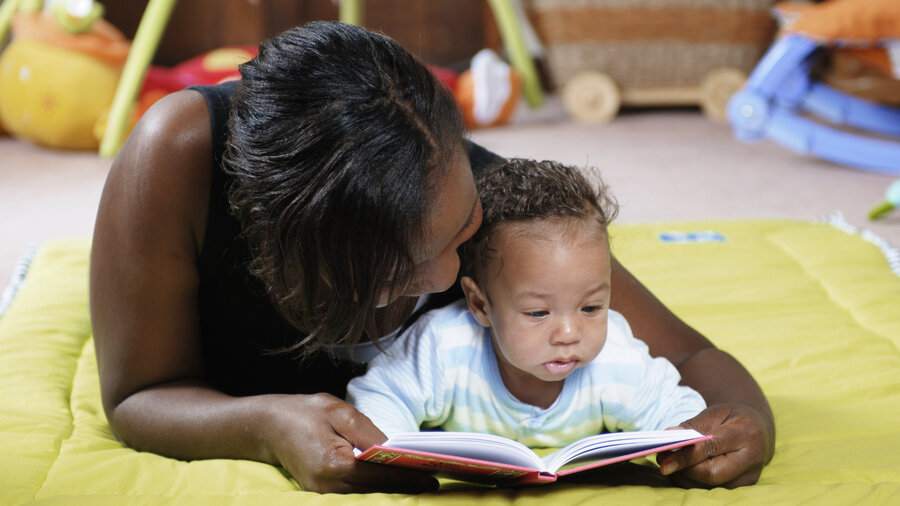
Since developing sensory skills is so important for all
aspects of a child’s development, parents are especially encouraged to interact
directly with their young children, talking and playing, as children benefit
from this direct person-to-person contact. Look in your baby’s eyes, and speak
directly to them. Babies also benefit
greatly from time outdoors, where their entire sensory system - sights, sounds,
smells, touch, movement – are engaged together.
Toddlers should get messy and move around!

Conversely, parents or guardians would do well to unplug the
electronic devices and TV when it comes to young children. There are a host of problems associated with
getting infants and toddlers involved with “screen time” at a young age. We encourage parents to join in and play with
their young children. Any healthy activity between children and their parents or guardians is helpful.
If you have questions about Early Intervention, Occupational
Therapy, or how your child could benefit, please do not hesitate to write or
call us: 413-665-8717, or email at mhuttonwoodland@servicenet.org
-
Michael S.
Hutton-Woodland, Ph.D.